
Project Overview
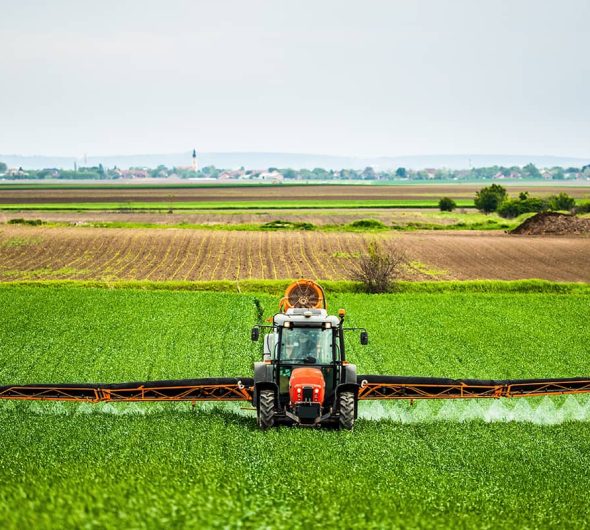
The project “Empowering Digital Agriculture: Modernization, Education, and Sustainable Development in North Macedonia” focuses on modernizing agriculture by introducing digital technologies, fostering practical skills, and empowering rural communities.
It is implemented in cooperation with the Faculty of Agricultural Sciences and Food – Skopje, national farmers’ organizations, and international partners. Together, they aim to build a resilient, inclusive, and innovation-driven agricultural ecosystem.
It is implemented in cooperation with the Faculty of Agricultural Sciences and Food – Skopje, national farmers’ organizations, and international partners. Together, they aim to build a resilient, inclusive, and innovation-driven agricultural ecosystem.
Why Digital Agriculture?
Agriculture in North Macedonia is facing multiple challenges: climate change, fragmented land, limited access to modern technology, and pressure to stay competitive in regional and EU markets.
Digital agriculture offers concrete solutions:
- Real-time data on soil, crops, and climate
- Optimized water, fertilizer, and pesticide use
- Lower production costs and higher yields
- Better planning and risk management
By integrating these tools into both education and practice, the project bridges the gap between university knowledge, farm realities, and policy priorities.
Target Groups
Primary Target Groups
478
Students and academic staff at the Faculty of Agricultural Sciences and Food in Skopje (around 20 students directly, plus faculty and assistants)
478
Rural women involved in agriculture (approx. 30 women farmers)
478
Farmers and small agricultural producers (approx. 30 farmers)
Secondary Target Groups
478
Agricultural policymakers and government institutions
478
NGOs and rural development organizations
478
Technology providers and agribusinesses
478
Research institutes and international partners
In particular, the National Federation of Farmers (NFF), the Network of Women Farmers (NWF) and the Association for Rural Development (LAG) play a key role in reaching agricultural households and supporting long-term digital transformation.