DIGITAL TECHNOLOGIES & INNOVATION

DIGITAL TECHNOLOGIES & INNOVATION

What Technologies Are Introduced?

The project integrates a set of advanced tools for smart and precise agriculture, including:
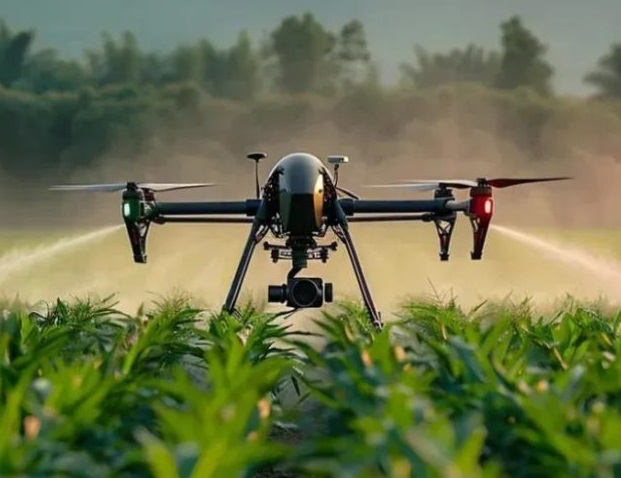
  • Drones for monitoring crop health, mapping fields, and guiding treatments
  • Soil sensors to measure moisture, EC, and pH levels
  • Irrigation systems linked to real-time data for efficient water use
  • Climate monitoring systems (agrometeorological stations) for open and covered areas
  • Data analysis software to process and interpret information from the field
Image

These technologies help:

• Optimize water and fertilizer use
• Reduce pesticide use and waste
• Improve crop planning and risk management
• Save time and fuel by reducing unnecessary field operations

Technology & Knowledge Transfer
– 5 Key Aspects

1. Integration of Advanced Digital Tools

All equipment is placed in real working conditions on demonstration plots and teaching environments, giving users direct access to state-of-the-art technology.

2. Practical Hands-On Training and Education

Workshops, demonstrations, and field exercises allow participants to work with real data and real equipment, not just theory.

3. International Knowledge Exchange and Collaboration

The project fosters collaboration between experts from Slovenia and North Macedonia, enabling the transfer of best practices and successful models in digital agriculture.

4. Encouraging Innovation and Entrepreneurship

By showcasing new technologies and business models, the project inspires participants to develop their own agritech ideas, services, and start-ups.

5. Sustainability of Knowledge Transfer

A dedicated resource center at the Faculty of Agricultural Sciences and Food ensures continuous access to equipment, learning materials, and expert support even after the formal project period ends.